About
CS and Math at Duke. I like building things that are useful, and I do research on LLMs: training agents and figuring out where they fail.
Currently: LLM Research Intern at Duke NLP Lab · Researcher at Duke Quantum Center · Founding Engineer at Liberata
Previously: Machine Learning Engineer Intern at Apple (AIML), where I built an LLM pipeline that generates synthetic evaluation data and uses model judges to catch and repair its mistakes.
Before that: Built a live multiplayer Quantum Chess platform, with search and LLM opponents, at SpinQ Technology
Research
Restraint: Teaching Agents When Not to Act
Oct 2026 — PresentAgents tend to push ahead on tasks they should refuse, then report success they didn't achieve. Restraint trains them with RL, where the reward comes from the real end state of a sandbox rather than an LLM judge. Correct refusals went from 27% to 70%, and task success held up.
Independent, manuscript in preparation
BreakingWeb: Finding Where Web Agents Break
Jan 2026 — PresentA pass/fail score says a web agent failed, not why. BreakingWeb pairs each task with a twin that stresses one skill, such as planning or state tracking, so the gap between them shows what broke. 519 task pairs, 7 self-hosted apps, 9 frontier agents. NeurIPS 2026.
Duke NLP Lab, NeurIPS 2026 Datasets & Benchmarks
Two-Flag Syndrome Extraction for Color Codes
Oct 2024 — PresentIn a fault-tolerant circuit, the order of the gates decides whether a single fault can spread into an error the code can't correct. I wrote an exact verifier that checks every CNOT ordering for two-flag color-code circuits at distances 5 to 9.
Duke Quantum Center, manuscript in preparation
SRT2ch: Large-Scale Human Image Editing Dataset
2025 — PlannedDeveloping diffusion-based image editing model trained on 10,000+ real human edits from Chinese and Japanese social media. Addressing privacy-preserving data collection and cultural diversity in aesthetic preferences.
Independent
Deep Learning for Medical Burn Detection
2022 — 2023A YOLOv7 detector that grades burn wounds from photos, trained on a 1,000+ image clinical dataset we built and labeled with hospital partners. It reached 92% accuracy, and the code has 500+ stars on GitHub.
National Talent Program, ICCDS
Variational Quantum State Preparation
Aug 2023Using a variational quantum eigensolver to prepare ground states of the XXZ Heisenberg model, a standard testbed for quantum magnetism. This was my way into quantum computing. Published on arXiv.
UCSB Research Mentorship Program, arXiv 2308.12020
Selected Work
Tech Stack
Languages
Frontend
Backend
AI/ML
Quantum


DevOps
GitHub
Let's Connect
I'm always excited to discuss new ideas—whether it's quantum computing, AI projects, or potential collaborations.
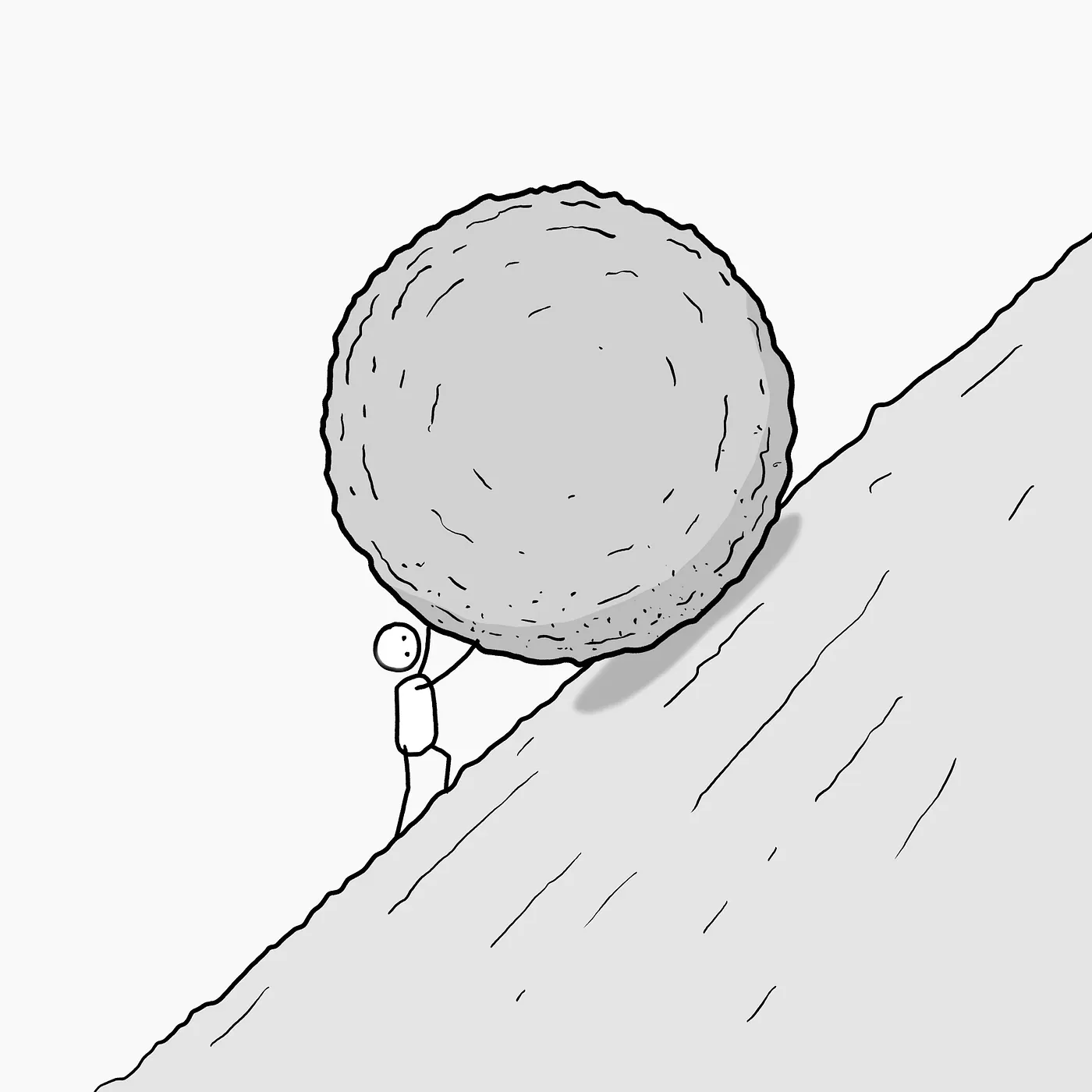
"All great deeds and all great thoughts have a ridiculous beginning"
— Albert Camus
Always Continue, Never Break;